
(By Ramakanta Biswal)
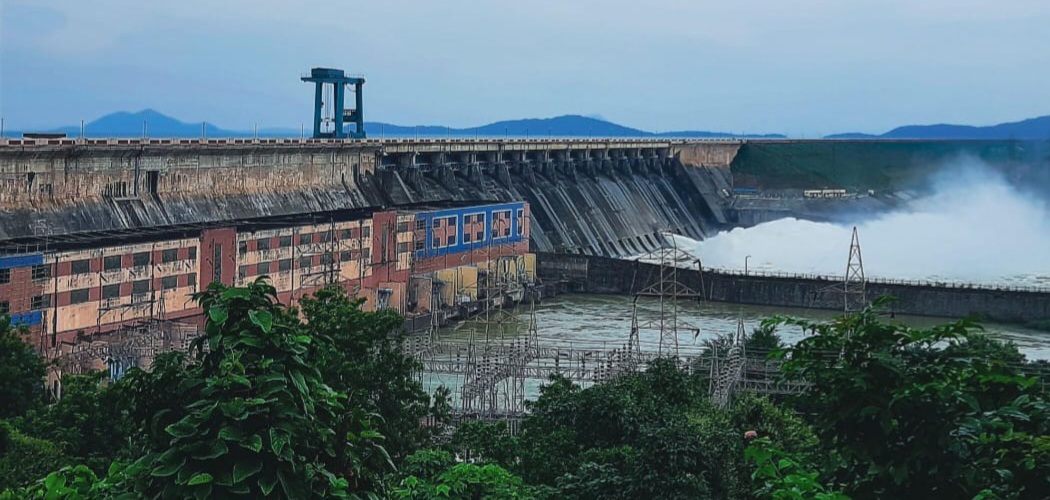
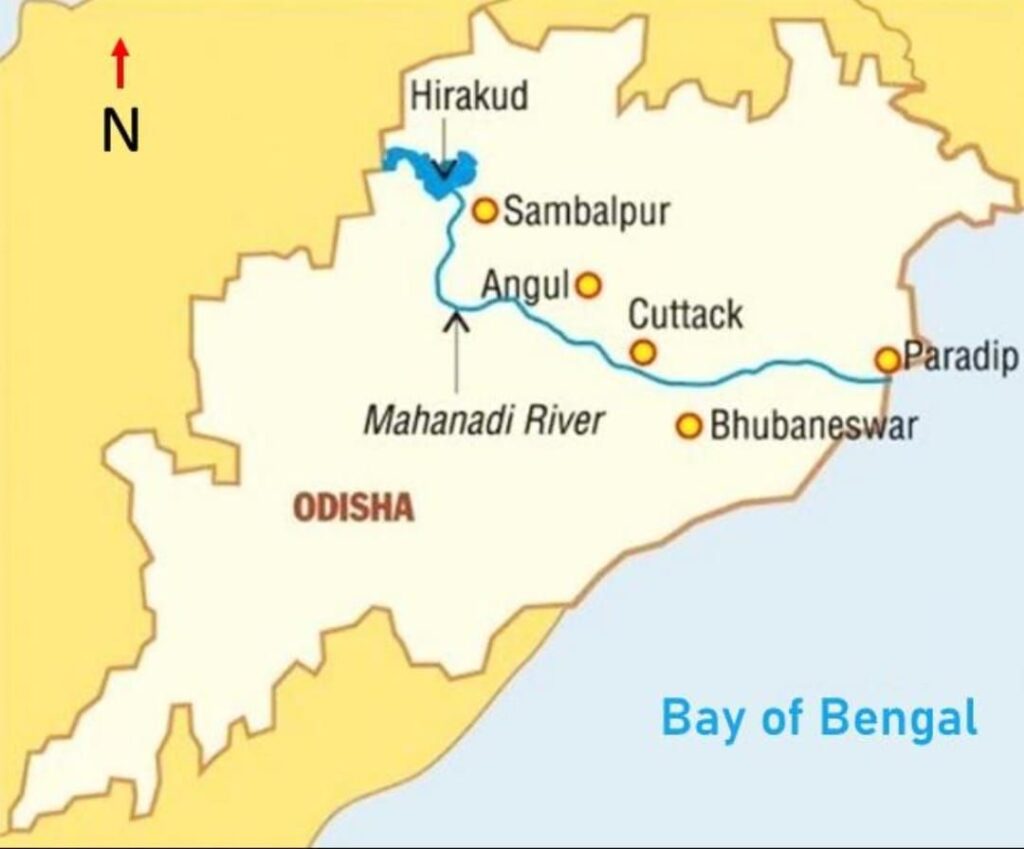
Sambalpur: The Hirakud Dam project was one of the most historic and transformative initiatives in the journey of building independent India. Constructed on the Mahanadi River in Odisha, the massive project was aimed at controlling floods, promoting agriculture, generating hydroelectric power, and accelerating industrial development. It was projected as a symbol of modern India’s progress and growth.
However, behind this shining image of development lies a long story of sacrifice, tears, and irreversible losses suffered by thousands of families.

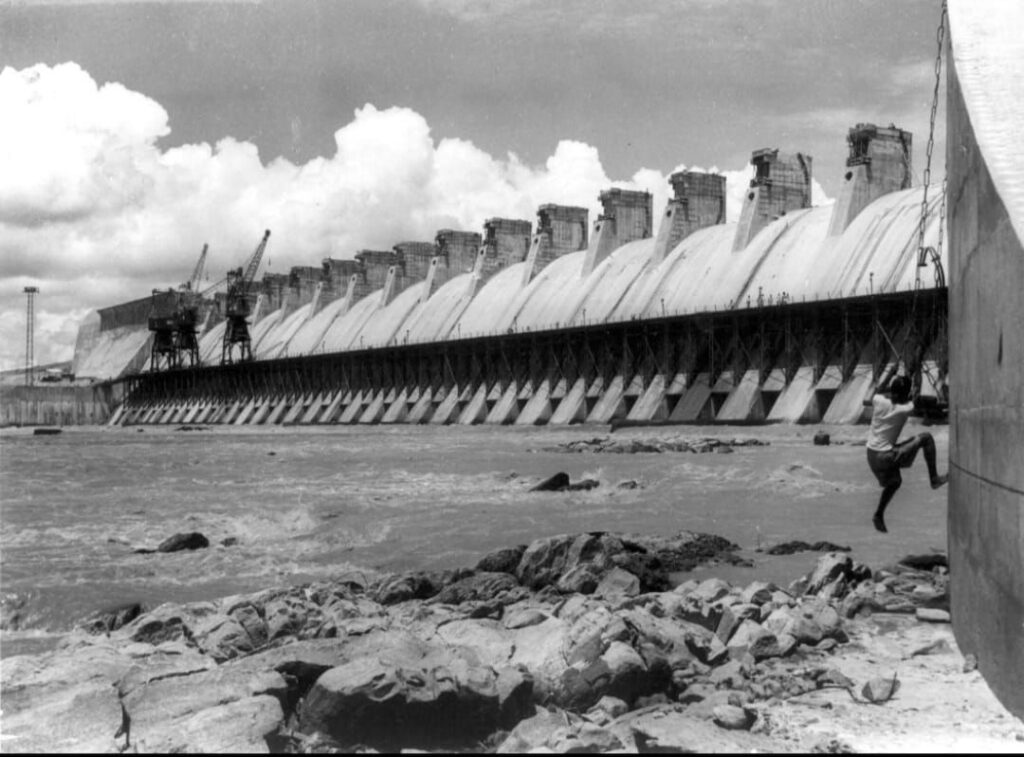
When the construction of the Hirakud Dam began in 1948, the then Prime Minister of India, Jawaharlal Nehru, linked the project with the dream of building a new nation. When the dam was dedicated to the country in 1957, assurances were given regarding the rehabilitation and resettlement of the displaced people.
But the question still remains —
How much of those promises were actually fulfilled?
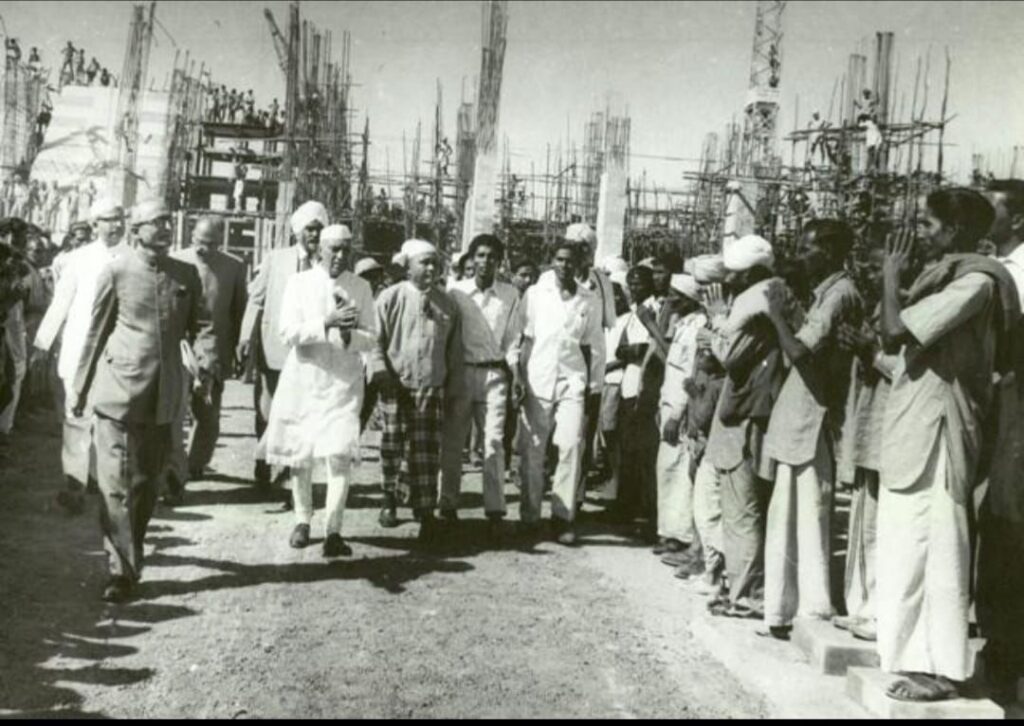
Due to the Hirakud reservoir, hundreds of villages lost their existence. Homes, agricultural lands, traditions, temples, and social identities went under water. Thousands of families were forced to leave their ancestral land and move to unknown places to start a new life.
The biggest question is — those who sacrificed everything for the nation’s development, how much of that development reached their own lives?
Many displaced families have alleged that they struggled for years with issues related to land, livelihood, and basic facilities after rehabilitation. Several farmers who lost their fertile lands faced difficulties in rebuilding their lives in new settlements.
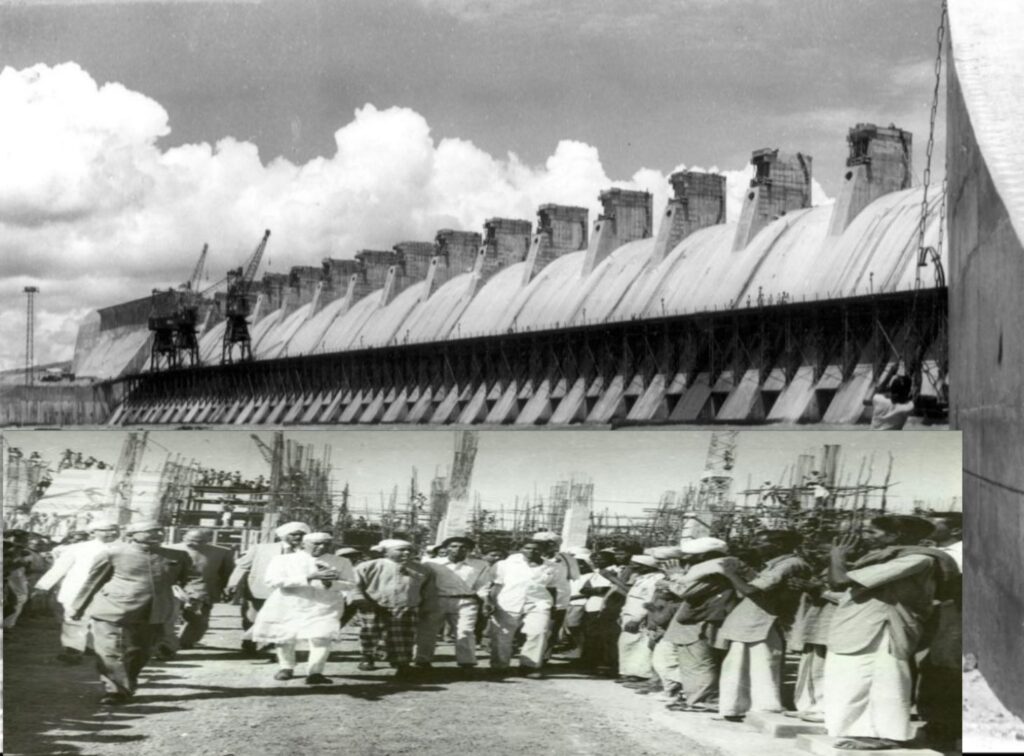
Today, Hirakud Dam remains one of the major pillars of Odisha’s economy. Its water supports agriculture, generates electricity, and contributes to industrial growth. But the memories buried beneath the reservoir continue to raise important questions:
Who paid the price of development?
Who took responsibility for those who made the sacrifice?
The Hirakud Dam reflects the power of development, but it also reminds us that the success of any major project should not be measured only by its size or capacity — it should also be measured by the dignity and well-being of the people who sacrificed for it.
The waters of Hirakud continue to tell the story of progress, but beneath them remain countless untold stories of displacement and human struggle.