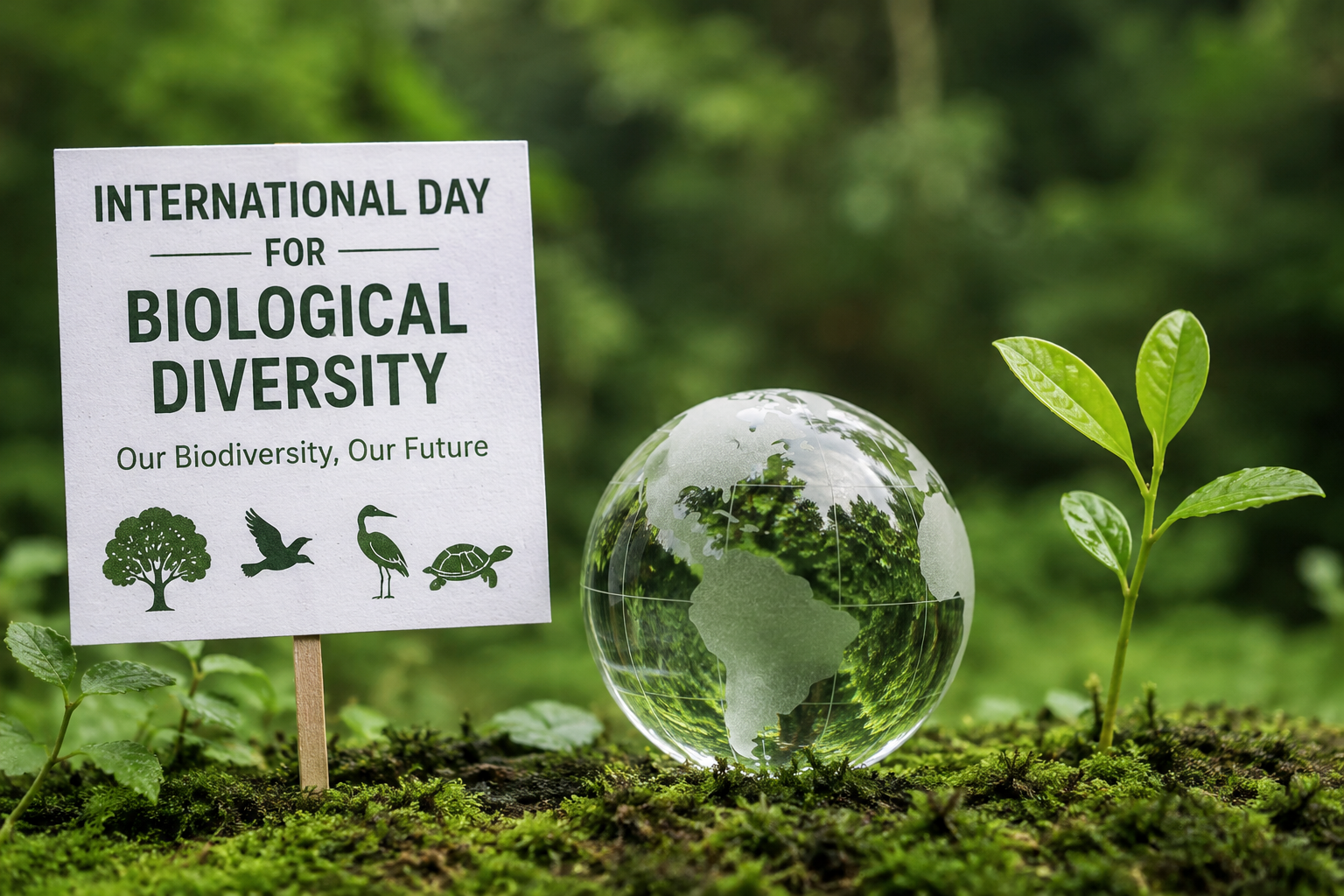

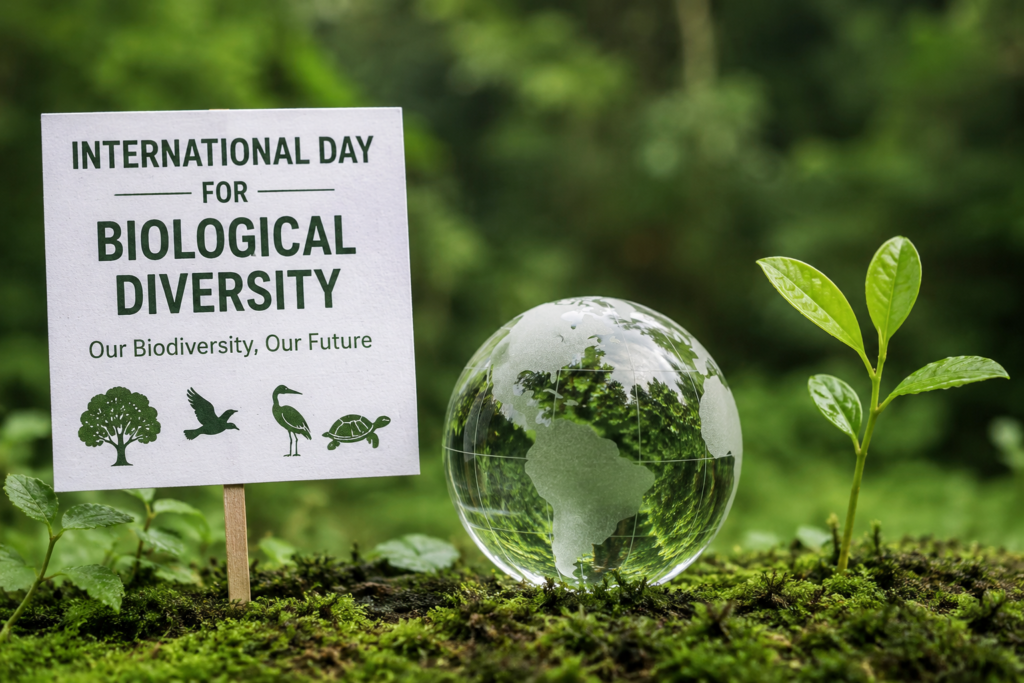
Every year, the world celebrates the International Day for Biological Diversity to remind people about the importance of nature and the need to protect it. Biodiversity means the variety of life on Earth, including plants, animals, birds, insects, forests, rivers, wetlands, and oceans. All living things are connected, and together they help maintain balance in nature.
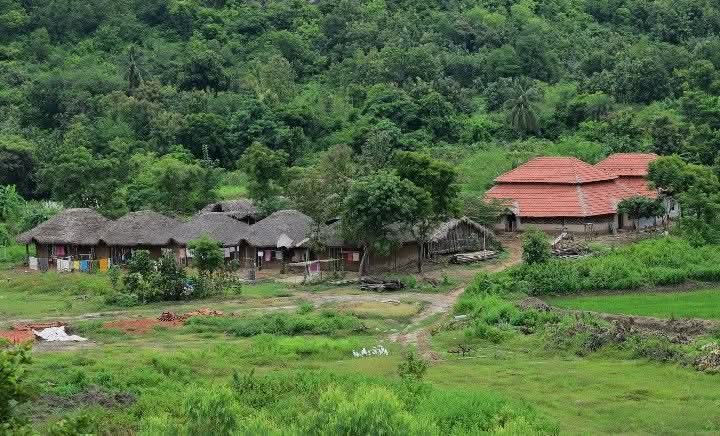
Forests are called the lungs of the Earth because they provide oxygen, absorb harmful carbon dioxide, and give shelter to wildlife. Rivers and wetlands provide clean water, support farming, and protect many species of fish and birds. Wildlife also plays an important role in maintaining ecological balance. Bees, butterflies, and birds help in pollination, which is necessary for growing crops and fruits.
Today, biodiversity is under threat because of deforestation, pollution, climate change, illegal hunting, and rapid urbanization. Many animals and plants are becoming endangered due to the destruction of their natural habitats. If biodiversity is damaged, human life will also suffer. Food shortages, water scarcity, rising temperatures, and natural disasters may increase in the future.
Protecting biodiversity is not only the responsibility of governments or environmental organizations. Every individual can contribute in simple ways. Planting trees, saving water, reducing plastic use, protecting animals, and keeping surroundings clean are small but meaningful steps. People should also spread awareness about environmental protection among children and communities.
This International Day for Biological Diversity, let us remember that every effort to protect forests, wildlife, rivers, wetlands, and natural habitats helps sustain life on Earth. Nature gives us everything we need to survive. By protecting biodiversity today, we can ensure a healthier, greener, and safer future for the next generation.