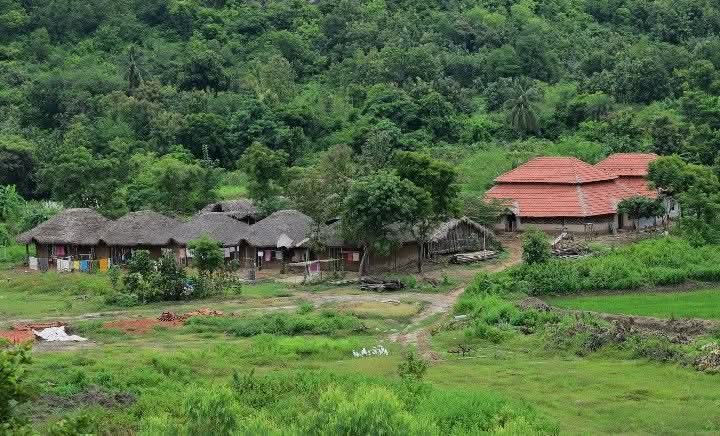

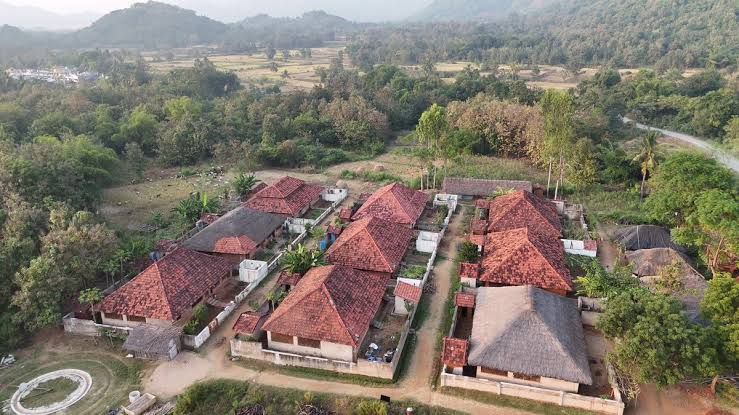
In an age dominated by technology, consumerism, and environmental degradation, a small village in Andhra Pradesh is quietly demonstrating an alternative way of life. Located in the Srikakulam district, Kurma Gramam stands out as a rare and inspiring example of sustainable, self-reliant, and nature-friendly living.
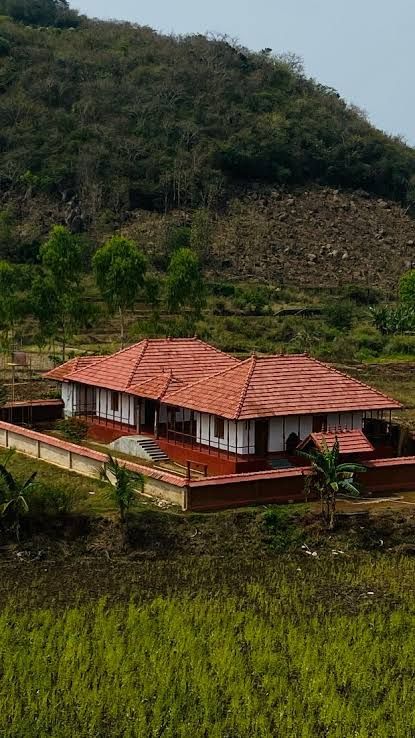
Rooted in ancient Indian traditions and guided by the principles of simplicity, spirituality, and environmental harmony, the village has become a living model of how communities can thrive without depending heavily on modern conveniences.
Reviving the Vedic Way of Life
Kurma Gramam is built around the philosophy of Vedic living and the concept of Gram Swaraj (village self-governance). The residents have consciously chosen a simple lifestyle, distancing themselves from the distractions of modern urban culture.
Life in the village revolves around community values, spiritual practices, and respect for nature. The emphasis is not on material wealth but on achieving a balanced and meaningful life.
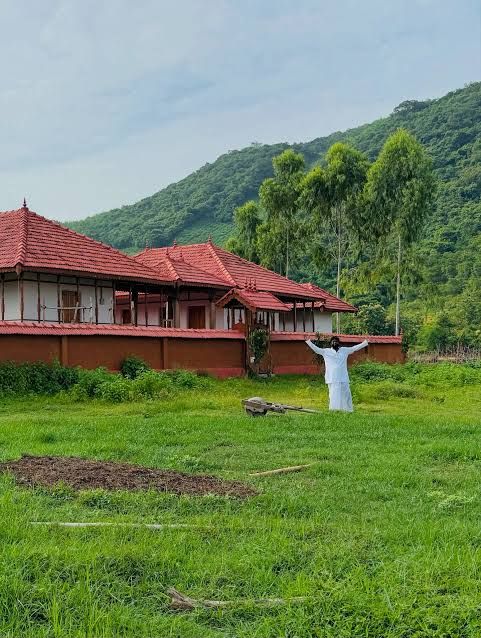
Homes Built from Nature
One of the most striking features of Kurma Gramam is its eco-friendly architecture. The houses are constructed entirely from natural materials such as mud, clay, bamboo, wood, straw, and thatch.
These traditional homes are naturally designed to remain cool during the scorching summer months and warm during winter, eliminating the need for air conditioners or even electric fans. The architecture reflects centuries-old wisdom in climate-responsive construction and sustainable living.
Cow-Based Economy and Organic Farming
The village places great importance on cow protection and cow-based agriculture. Indigenous breeds of cows are reared with care, and farming activities rely on traditional methods rather than modern machinery.
Instead of tractors, bullocks are used for ploughing fields. Chemical fertilizers are completely avoided. Farmers use organic manure prepared from cow dung and cow urine, ensuring healthy soil and chemical-free food production.
This approach not only preserves soil fertility but also promotes a sustainable agricultural system that is environmentally responsible.
Choosing Simplicity Over Technology
Perhaps the most unusual aspect of Kurma Gramam is its voluntary rejection of many modern technologies. Residents have consciously chosen to live without television, smartphones, internet services, and extensive dependence on electricity.
According to the villagers, excessive technology often distances people from nature, family relationships, and inner peace. Their daily routine follows the rhythm of nature. The day begins with sunrise, and after sunset, families gather under the soft glow of traditional lamps before retiring for the night.
A Truly Self-Sufficient Community
Kurma Gramam operates as a largely self-sustaining community. Most of the villagers’ daily needs are fulfilled within the village itself.
Rice, wheat, pulses, vegetables, and other food items are grown locally. Even clothing is produced through traditional methods, with villagers spinning yarn and weaving khadi fabric by hand. As a result, dependence on outside markets is minimal.
This self-reliant lifestyle strengthens both economic resilience and community bonds.
Education Through the Gurukul System
Education in Kurma Gramam follows the ancient Gurukul tradition rather than the conventional modern school system.
Children learn in close connection with nature and receive lessons in Vedic literature, mathematics, agriculture, ethics, and traditional crafts. The aim is not merely academic success but the holistic development of character, values, and practical life skills.
The system seeks to nurture responsible individuals who can contribute positively to society while remaining connected to their cultural roots.
A Lesson for the Modern World
At a time when the world is grappling with climate change, pollution, loss of biodiversity, and mounting electronic waste, Kurma Gramam offers a powerful reminder that sustainable living is possible.
The village demonstrates that happiness, health, and prosperity do not necessarily depend on excessive consumption or advanced technology. Instead, they can emerge from a life rooted in nature, community, and self-sufficiency.
Kurma Gramam is more than just a village—it is a living experiment in ecological balance and human well-being. Its story serves as an inspiration for communities around the world seeking a more sustainable and meaningful future.